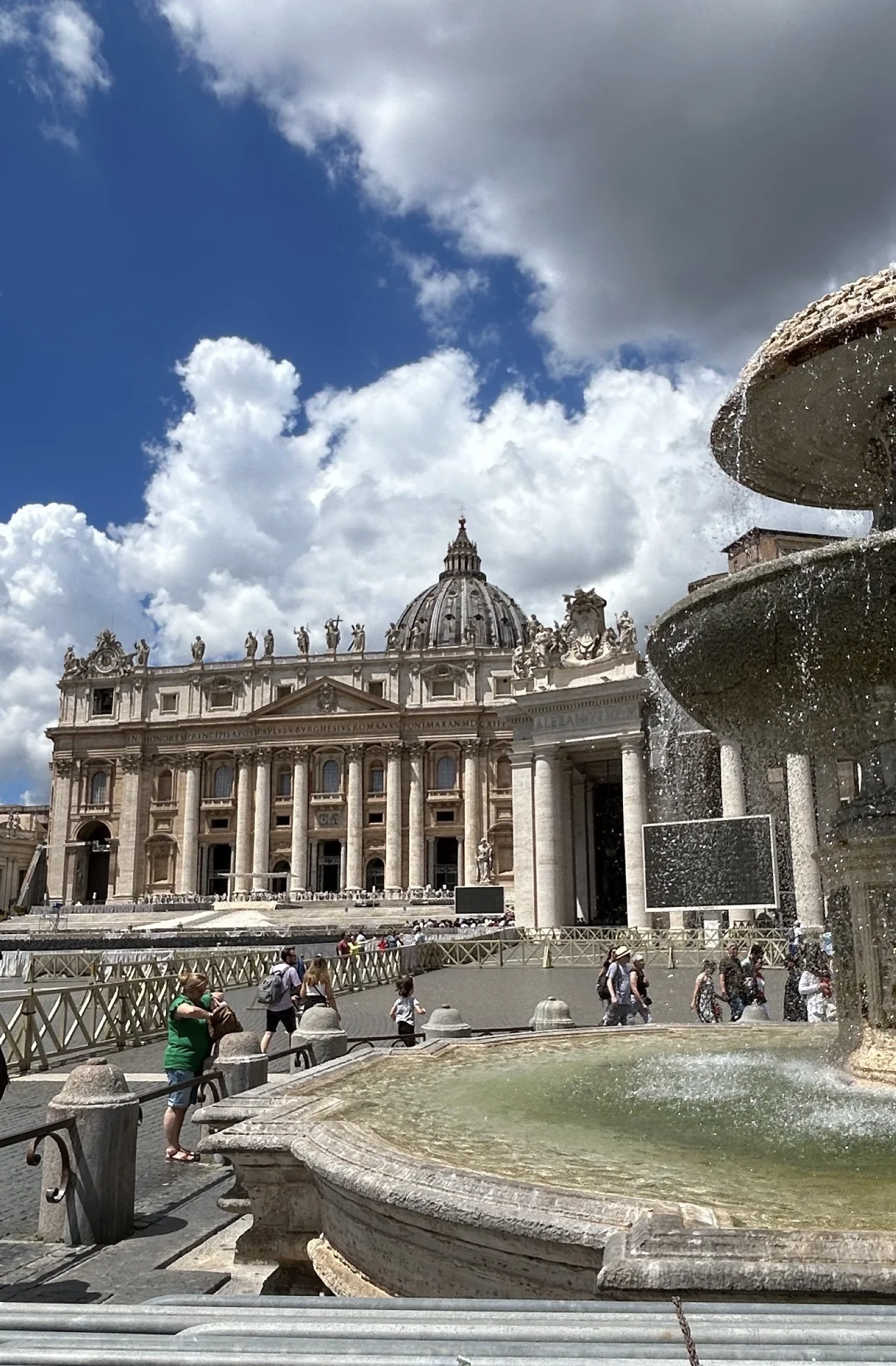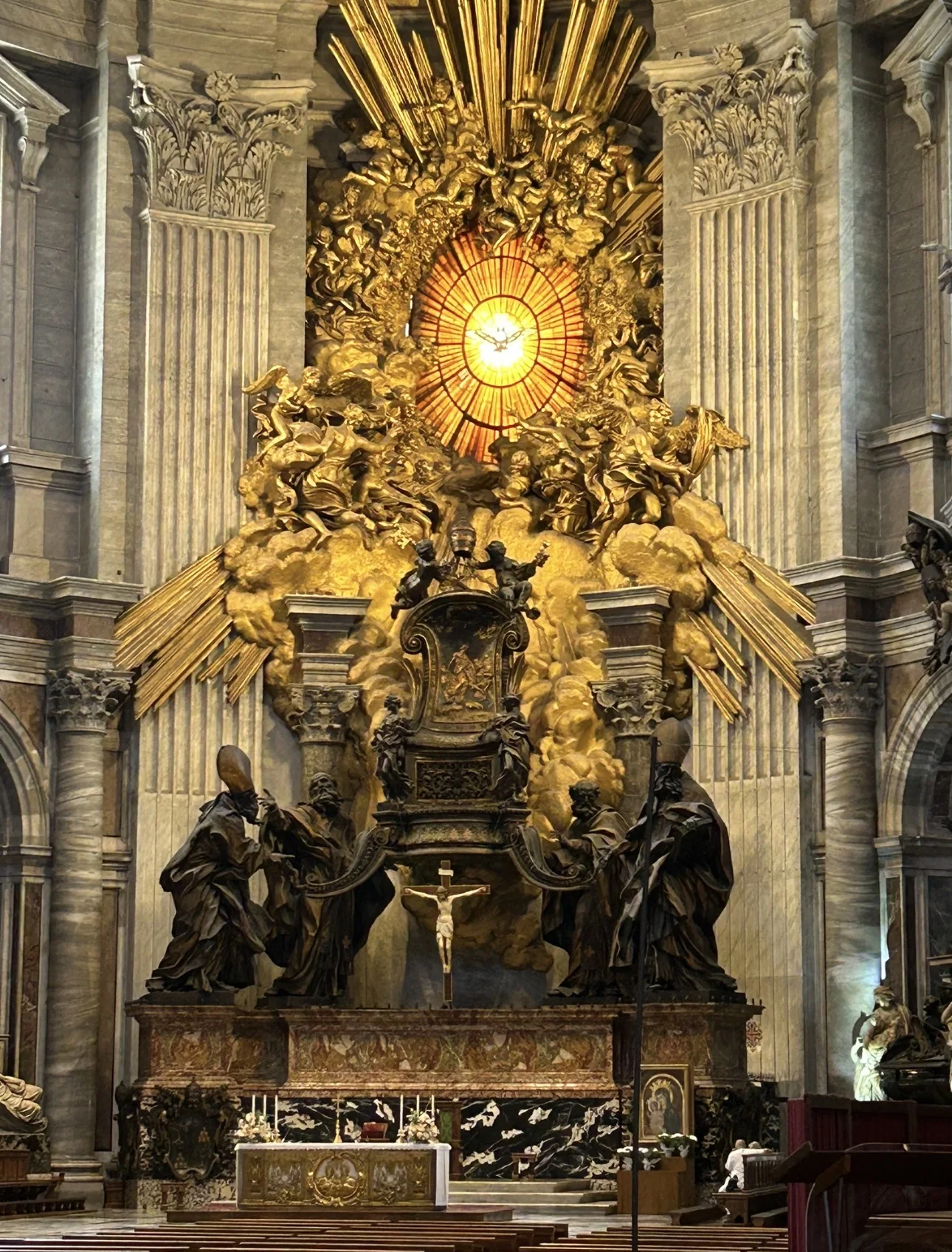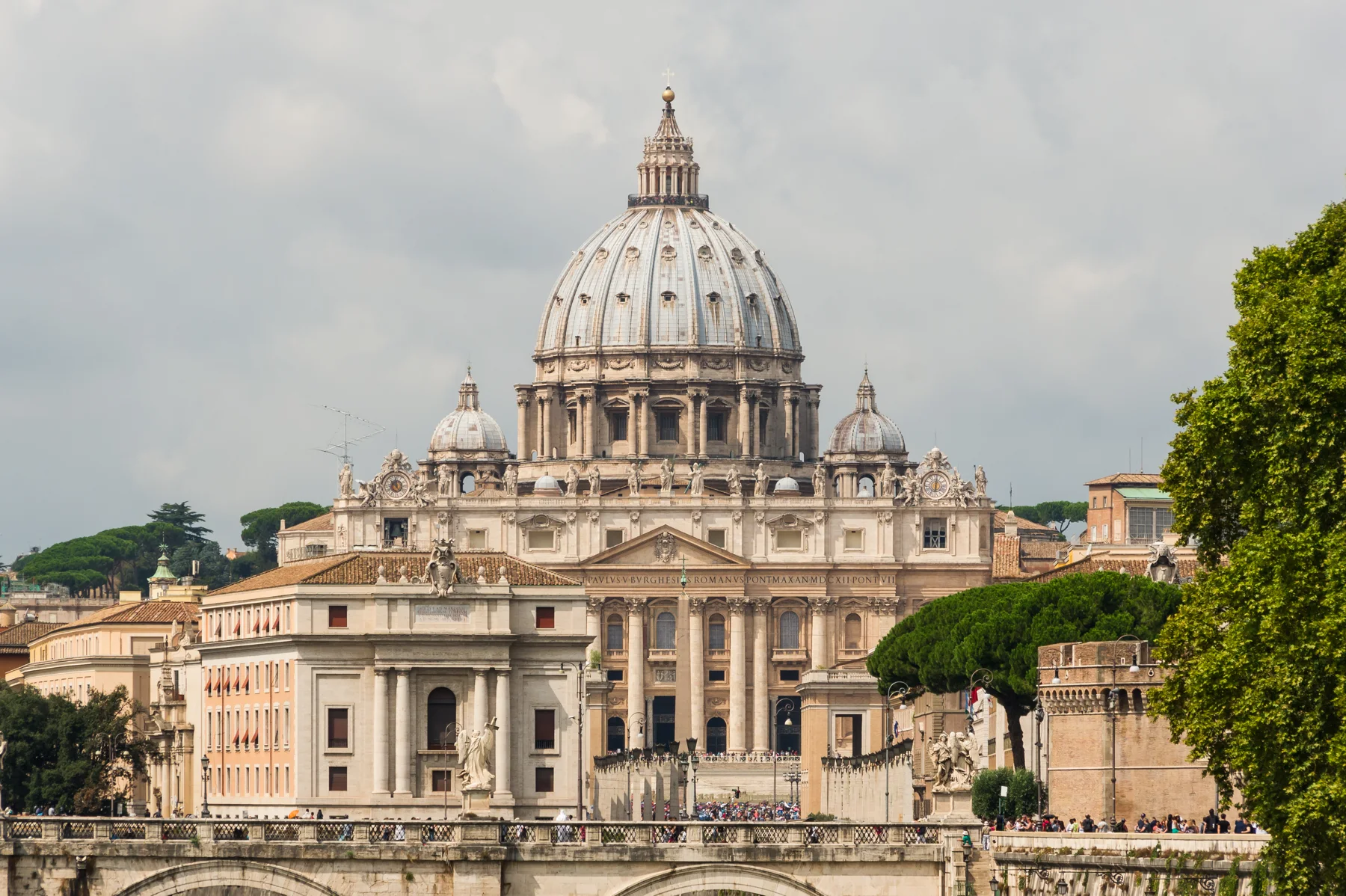
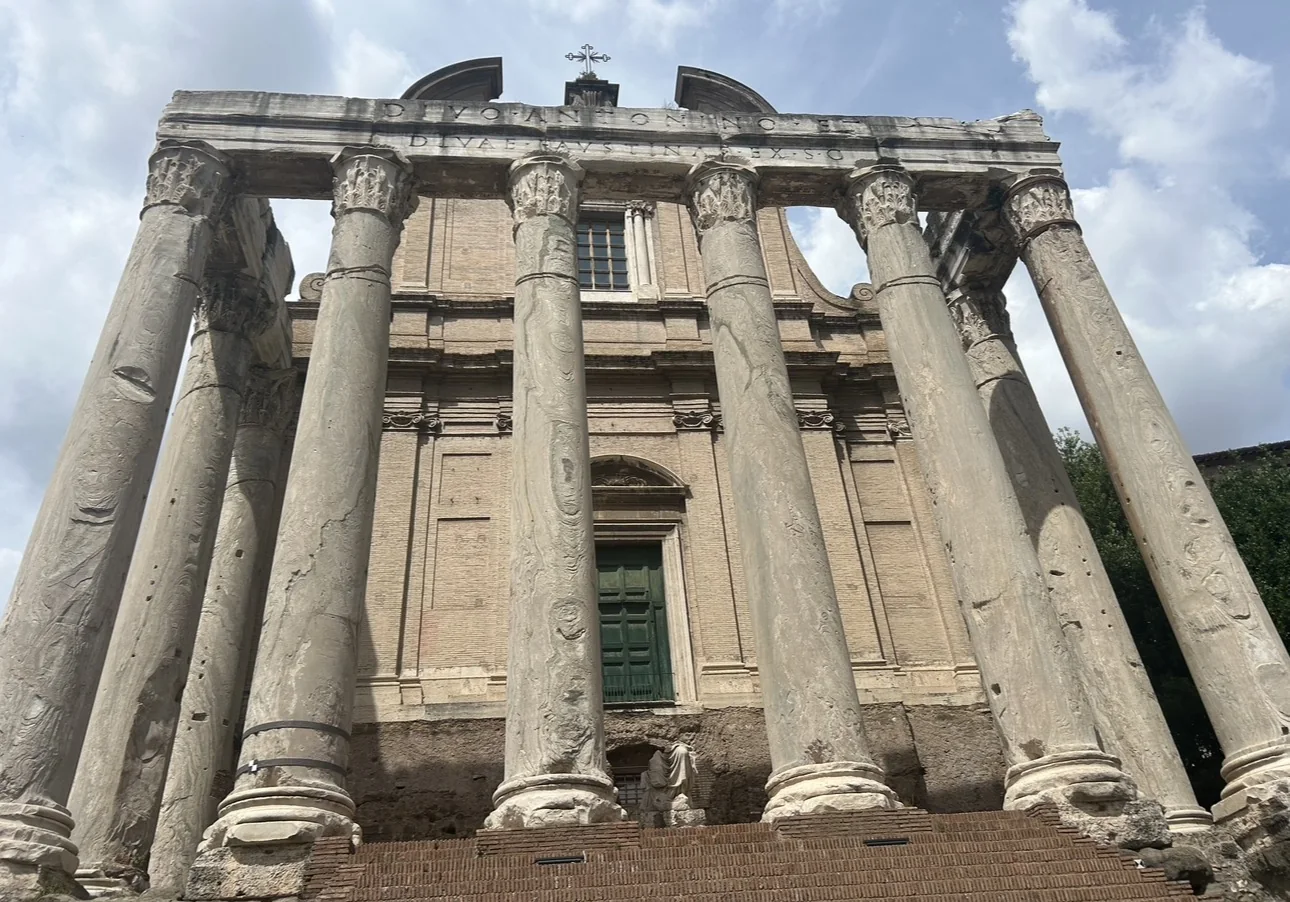
Rome is a stratigraphy. Under St. Peter's is a pagan necropolis with a Christian grave in the middle of it; under San Clemente is a fourth-century church, and under that a Mithraic temple; the catacombs along the Appian Way hold the dead of the early Roman Church, martyrs among them, with the graffiti of the pilgrims who visited their tombs. St. Peter's, St. Paul's and the Lateran are Constantinian in origin; St. Mary Major is a fifth-century foundation. You can read the Church's first thousand years without opening a book.
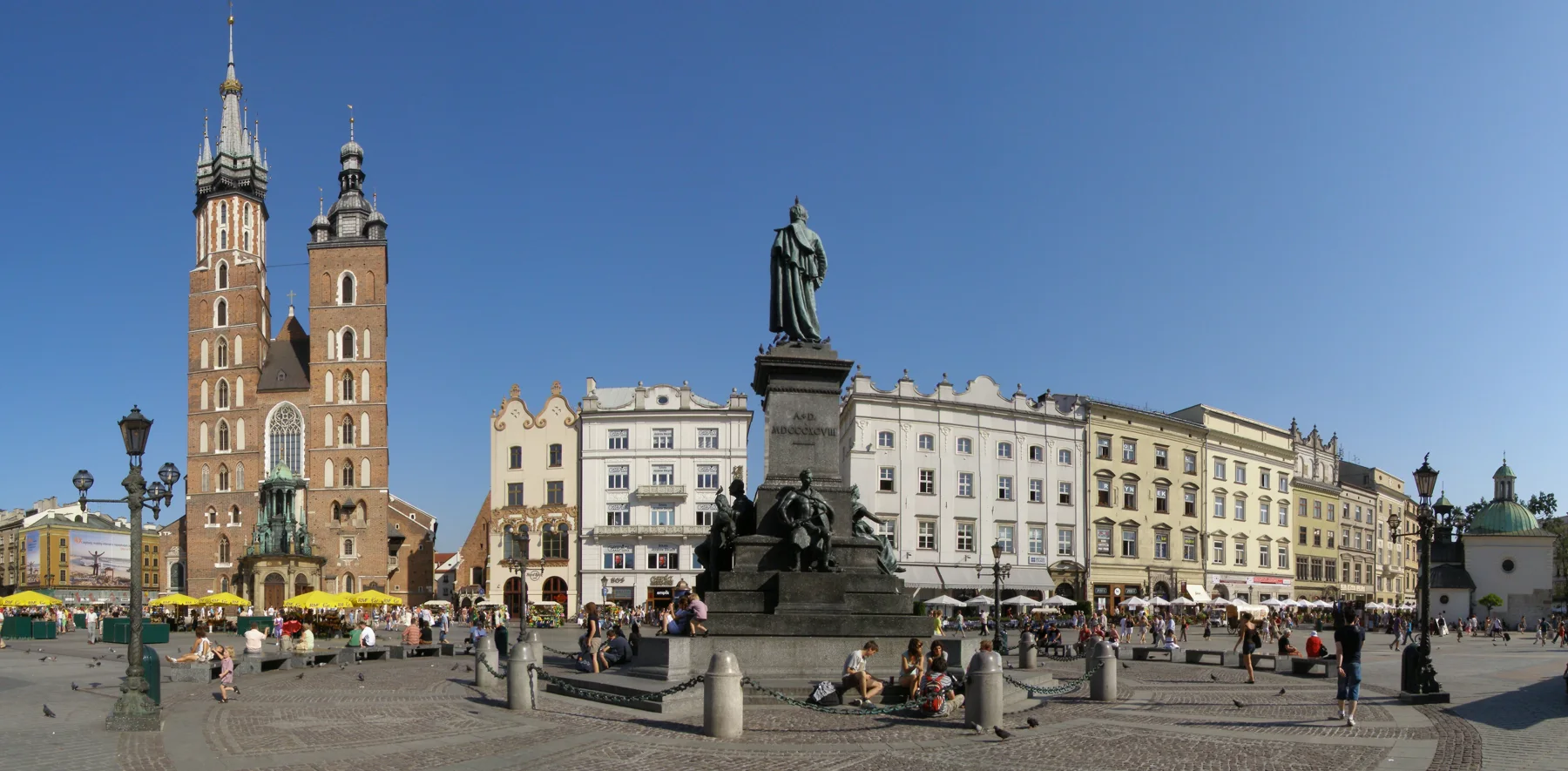
Poland is history of a different age: a cathedral where the kings are buried, the window in Kraków where a bishop faced down a Communist state, a convent where a nun recorded a message that spread around the world, and an hour away, Auschwitz, which we do not treat as a stop between shrines.
Someone who loves history may come for the stones and leave thinking about why people laid them. We do not arrange for that. We arrange the time.