Our Classic Pilgrimages plan for Mass where the schedule permits, so in one sense every journey is Eucharistic. But some pilgrims want more: adoration in the evening, the Corpus Christi churches, the places where the Church has long permitted veneration of a reported Eucharistic miracle.
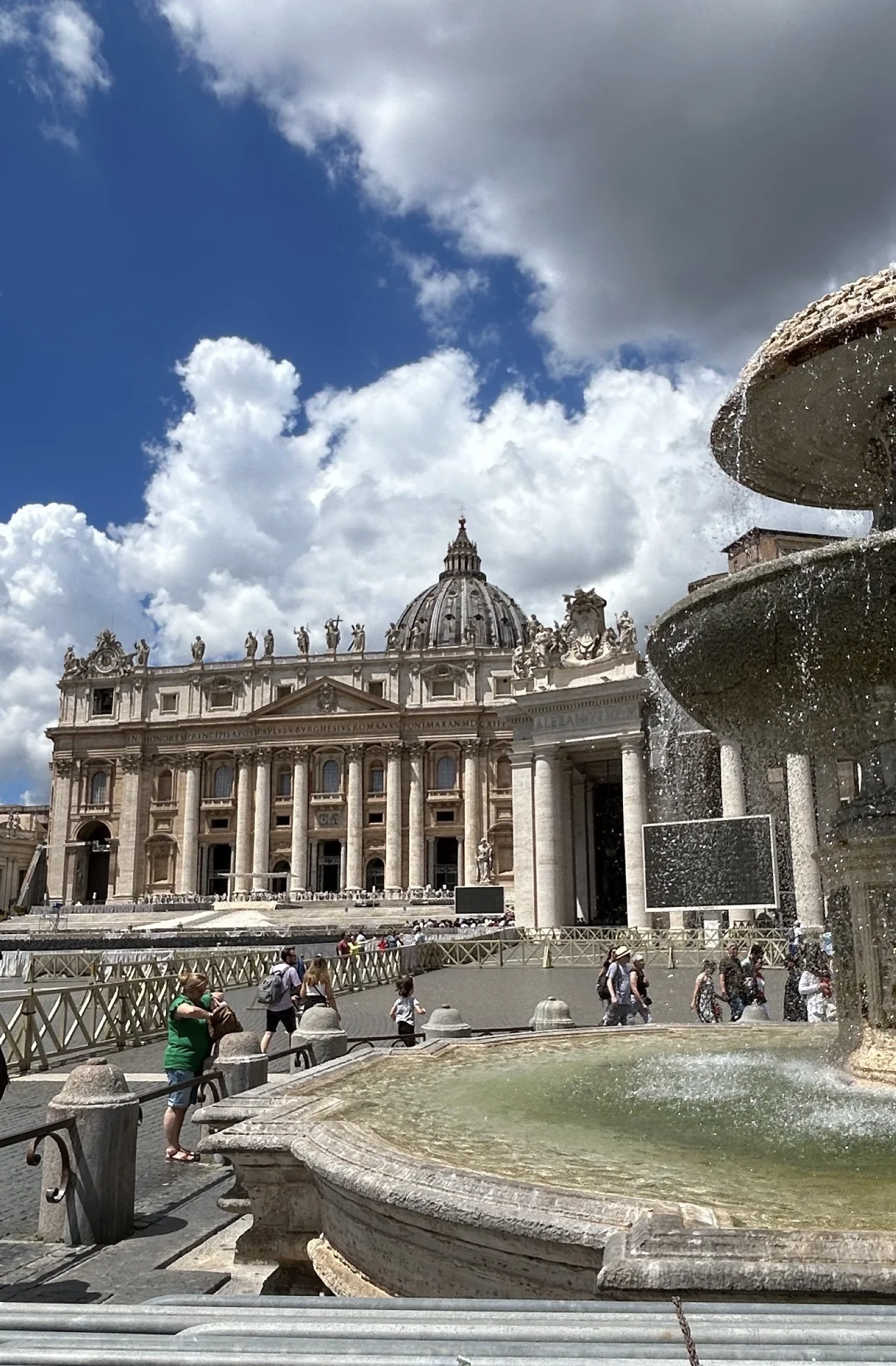
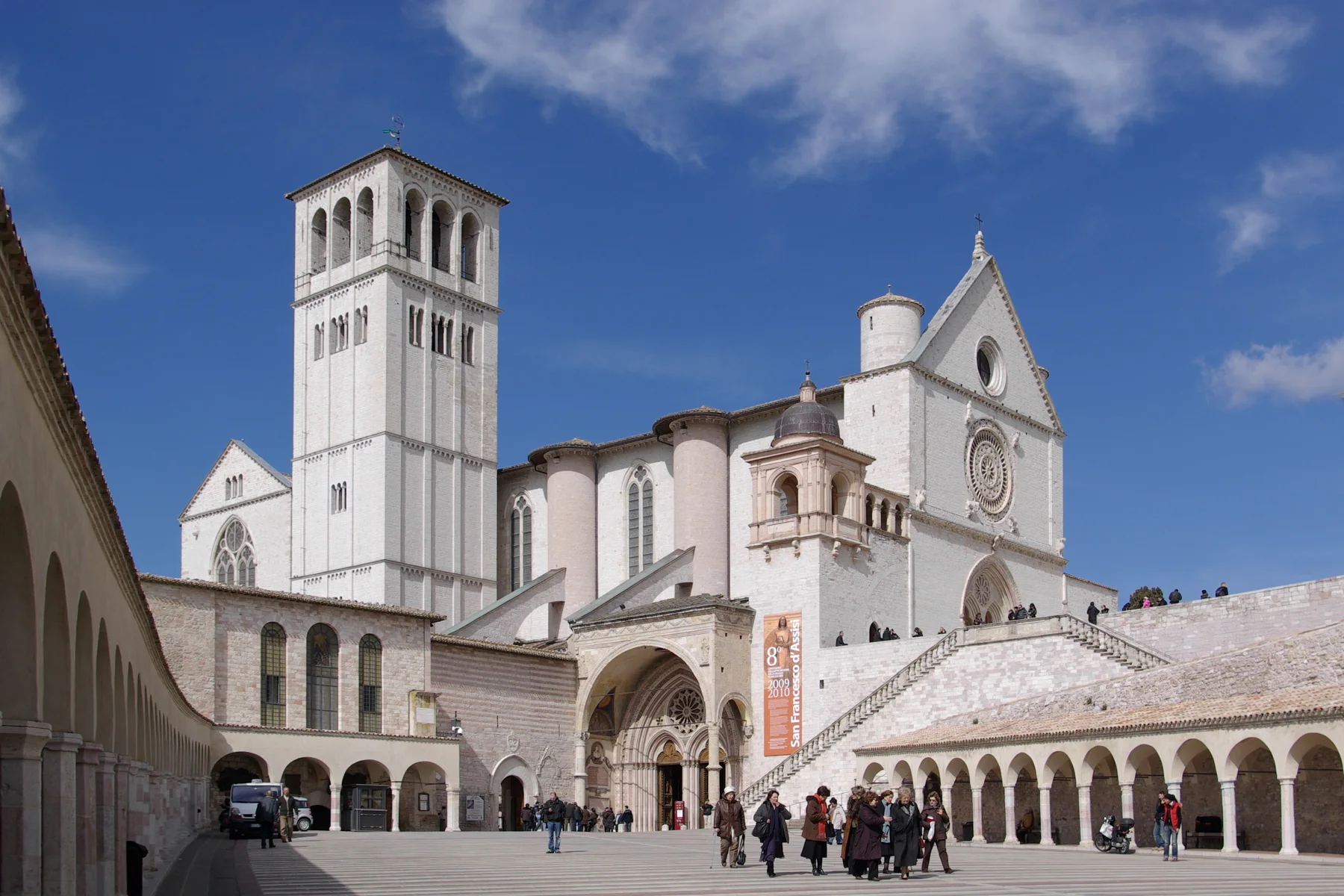
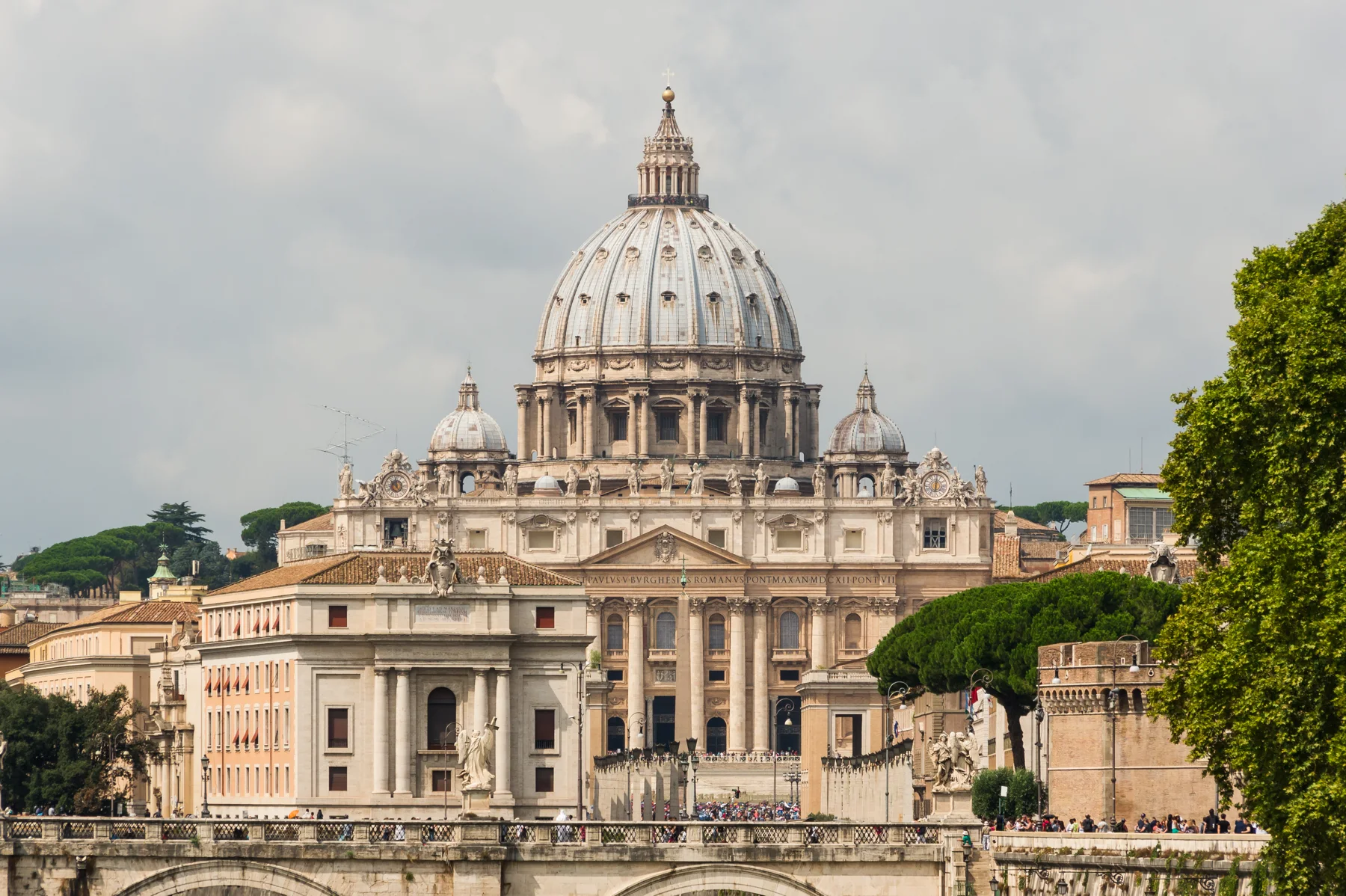
Italy holds most of those places. Orvieto's cathedral was built to house the corporal from Bolsena, and by tradition the feast of Corpus Christi, instituted from Orvieto in 1264, is linked to it; at Lanciano the Church has permitted veneration of a reported miracle for centuries. St. Carlo Acutis, who went to daily Mass from the age of seven, gathered reported Eucharistic miracles of differing status into an exhibition meant as catechesis, now shown in Assisi near his tomb at the Sanctuary of the Renunciation, and the Lower Church of St. Francis opens early in the morning for those who want the quiet. Rome has adoration chapels across the city and St. Peter's itself.
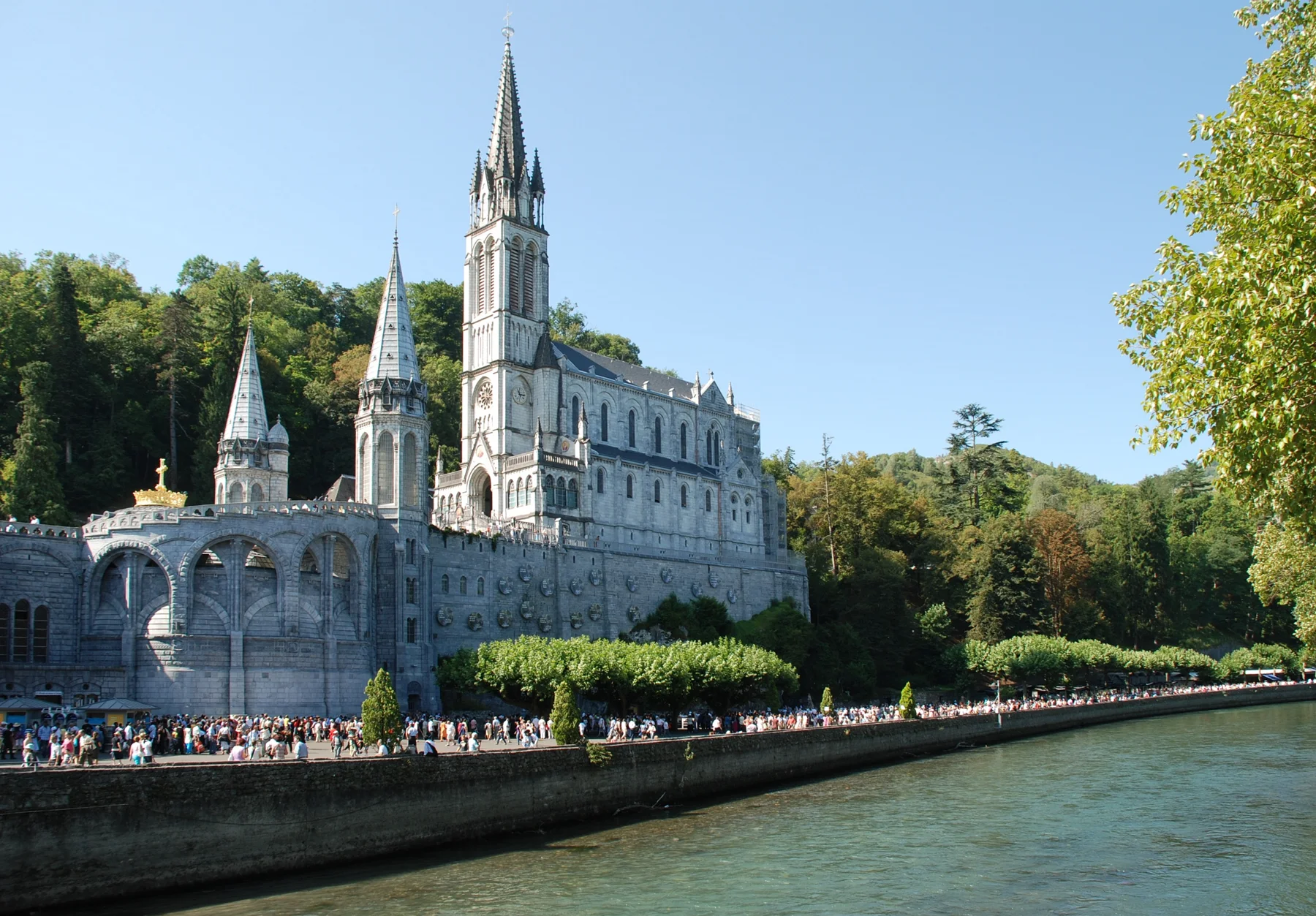
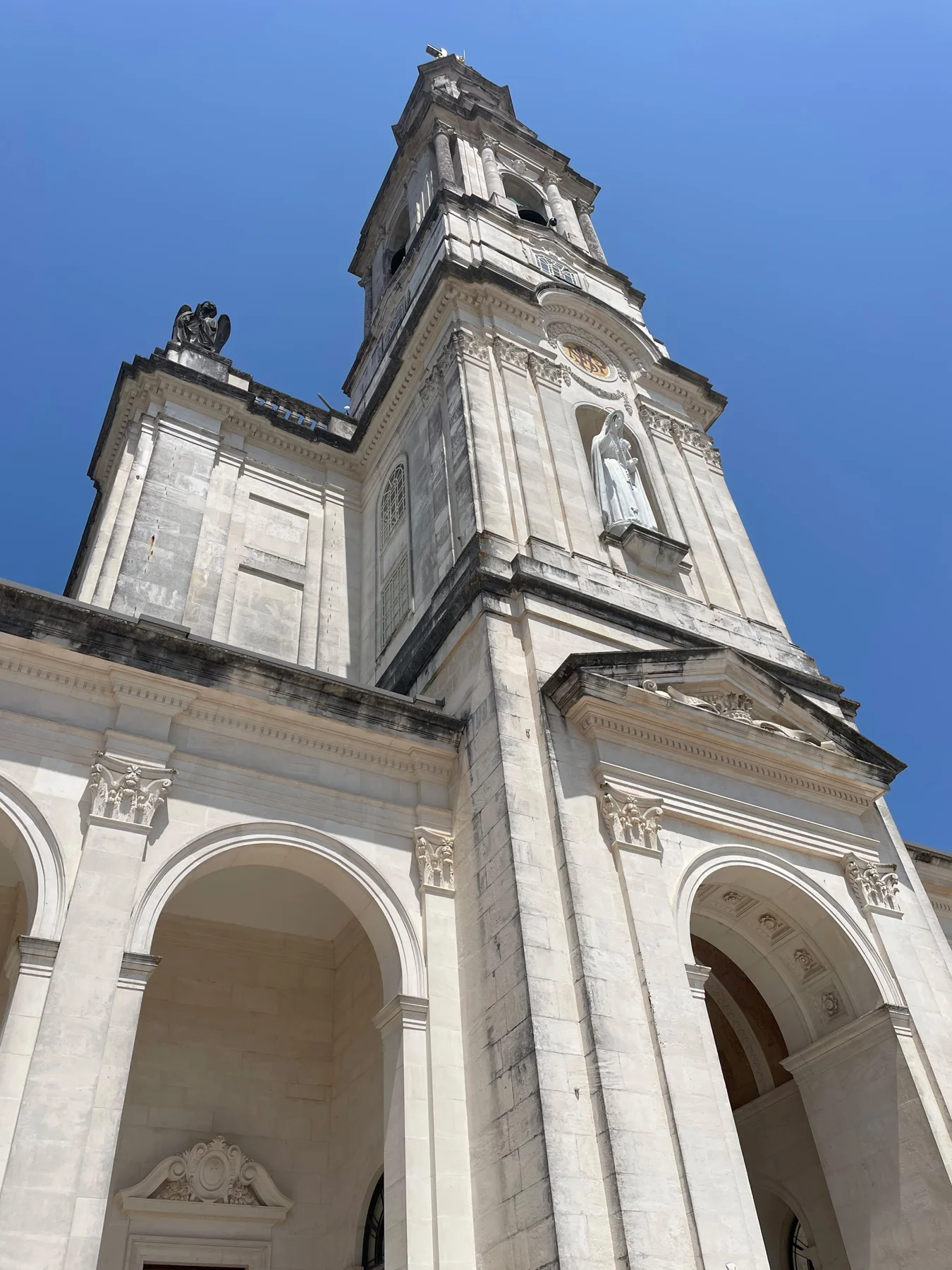
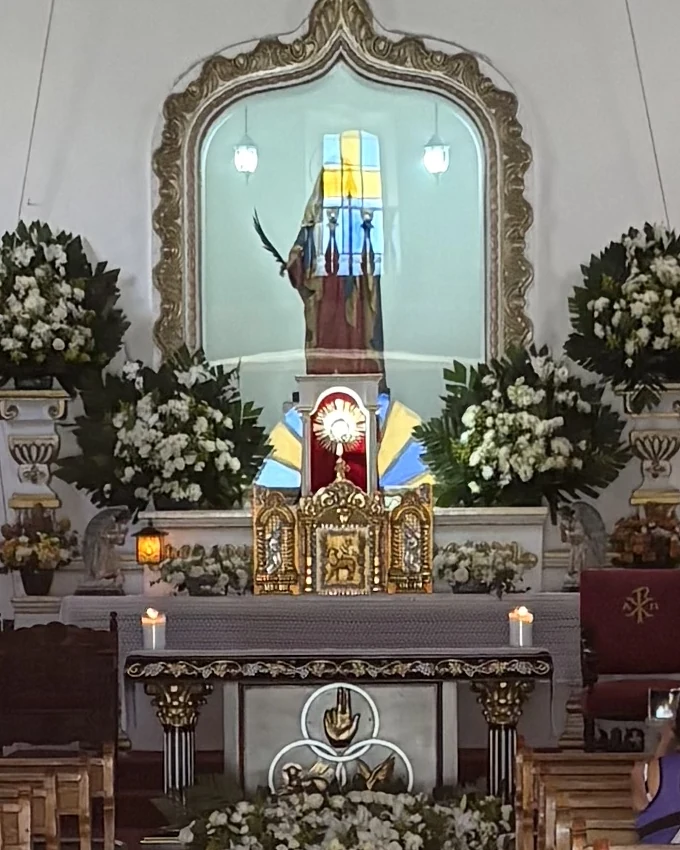
At Lourdes the Eucharistic procession, with the blessing of the sick, is a regular act of the sanctuary in season; at Fátima the sanctuary keeps a chapel of adoration. Each sanctuary publishes its own programme. A Eucharistic pilgrimage does not need a miracle. It needs time in front of the tabernacle, and we leave that time in.