
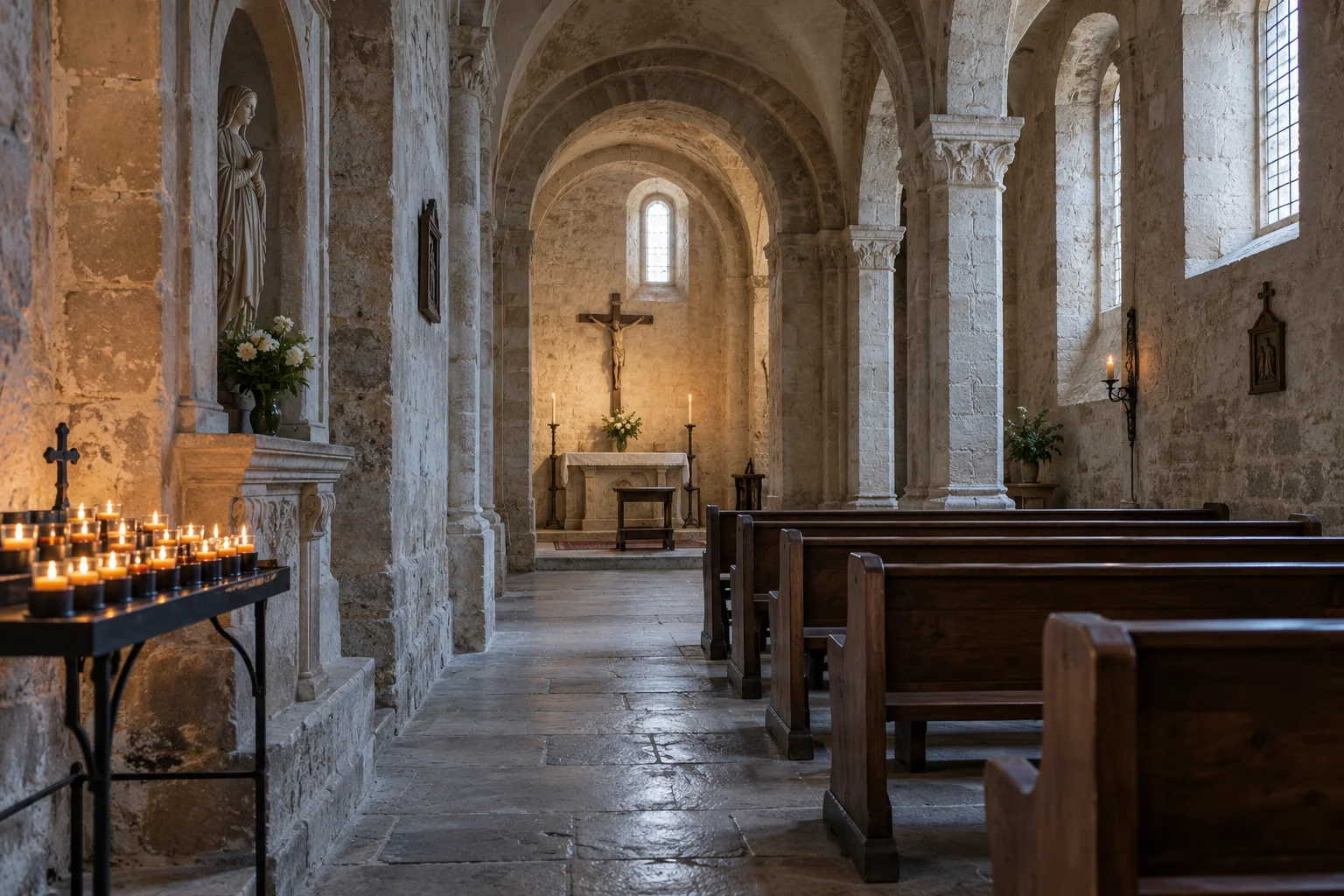
The places themselves explain a good deal. Rome draws pilgrims to the tombs of the Apostles Peter and Paul. The Holy Land is where Jesus lived, died and rose. Lourdes has received pilgrims, the sick first among them, since the apparitions of 1858, Fátima since 1917, and Guadalupe since 1531. Visiting them joins a pilgrim to the wider Church across countries and generations.
Three things set a pilgrimage apart from a tour of the same cities. It is built around the sacraments: Mass on most days where the schedule permits, and confession, which the major shrines offer. It carries an intention. And it accepts some discomfort, from early starts to long walks, as part of the prayer and not as a failure of planning. A pilgrimage to Rome and a tour of Rome may enter the same basilicas; one goes to pray at the tombs, the other to see the architecture. Both can be good.
The Vatican's site for the 2025 Jubilee calls pilgrimage "an experience of conversion" and traces the word to the Latin per ager, "across the fields," adding that "when we travel, we do not only change place physically, but we also change ourselves." That is the test: whether the traveler comes home more attentive to God, not whether every site was seen.
Good to know before you go: a pilgrimage does not guarantee a particular feeling or spiritual outcome. Quiet, fatigue, companionship and ordinary worship are all part of it, and pilgrims who are not Catholic are welcome to come along.