
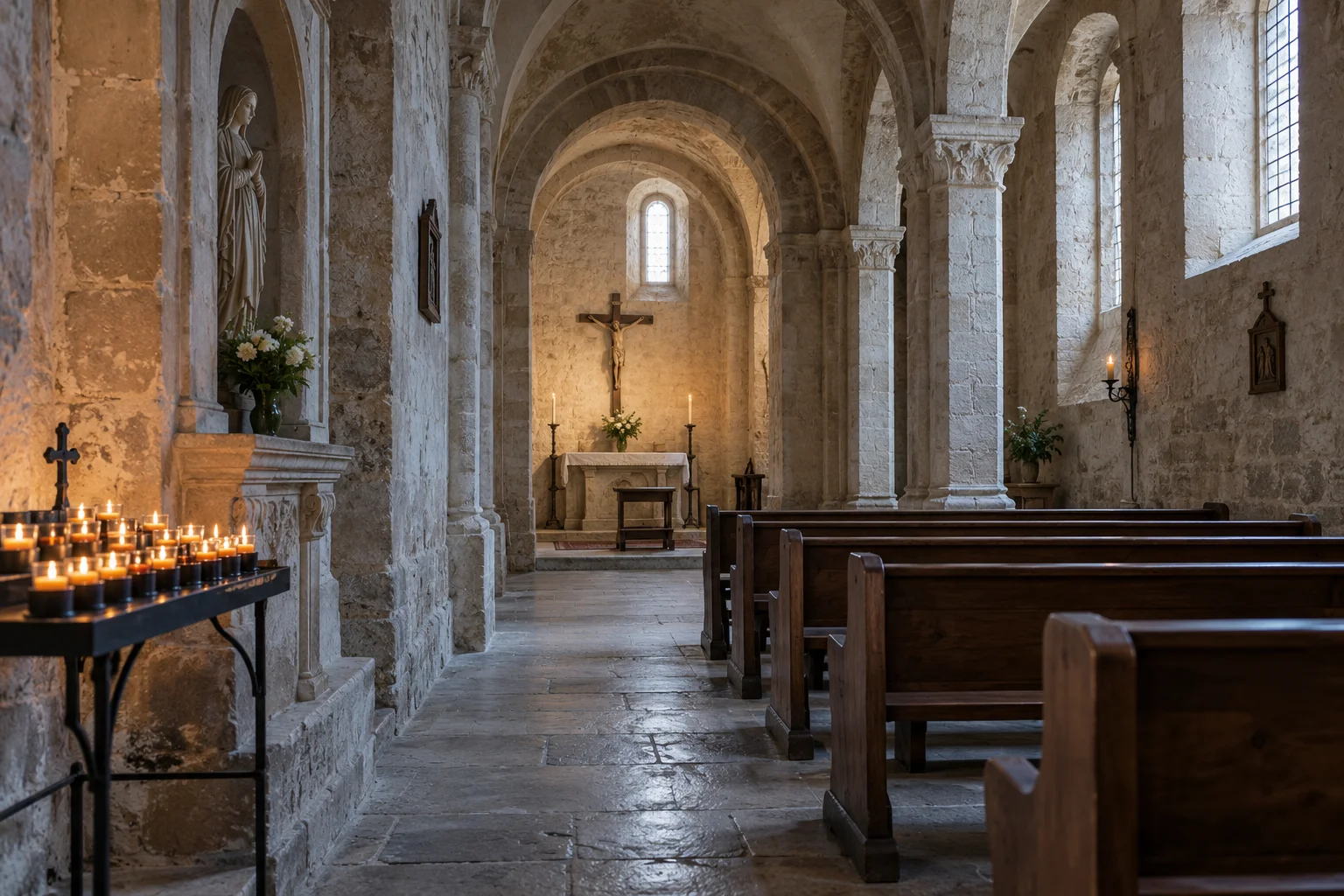
Canon law expects this of a shrine: canon 1234 says the means of salvation are to be supplied there "more abundantly," naming the Eucharist and penance, and canon 991 leaves every Catholic free to confess to an approved confessor of his or her choice. The absolution given at a famous shrine is the same as in any parish. What these places add is availability, anonymity, confessors used to pilgrims, and time.
Some examples. At Lourdes the sanctuary lists confessions in the Chapel of Reconciliation from 10:30 am to noon and from 3:00 to 6:00 pm between April and November, ending at 5:00 pm in the winter months, and suggests allowing 10 to 15 minutes plus 20 to 30 minutes of waiting. In Rome each of the four papal basilicas has a college of confessors. Three shrines keep the memory of great confessors: Ars (St. John Vianney), San Giovanni Rotondo (St. Pio) and Padua (St. Leopold Mandić). On Medjugorje, be exact: the Holy See's 2024 Note recognizes spiritual fruits there such as "numerous confessions" and permits pastoral pilgrimage; it did not declare the reported apparitions supernatural.
Good to know before you go: if confession is an important part of your intention, ask about it before departure and not on the day. A priest who has the faculty to hear confessions at home can ordinarily use it wherever he travels (canon 967), so a group's own priest may be able to hear confessions along the way, but a private conversation with a traveling chaplain is not automatically the sacrament; ask him plainly. If you have been away for years, say so at the start. Confessors at shrines hear that every day.