
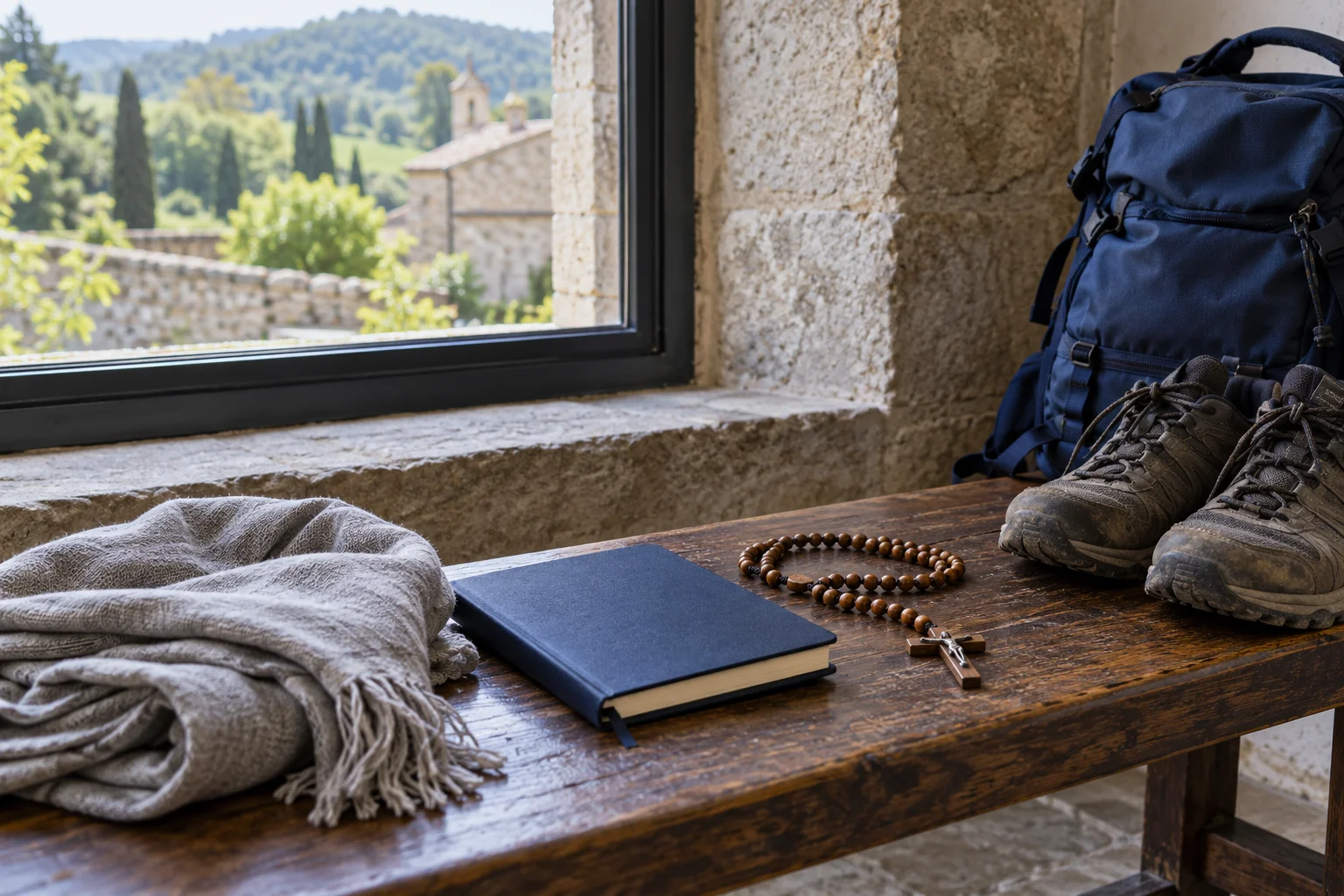
Start with the reason. A pilgrimage made in thanksgiving, for a sick relative, or to mark a milestone points to different places than one made to understand the faith from its roots. Rome suits most first pilgrimages, with the tombs of the Apostles and the Pope; the Holy Land suits those drawn to the Gospels; Lourdes and Fátima suit Marian prayer and a settled stay in one place; the Camino de Santiago suits those who want the walking itself to be the prayer.
Then decide between a group and independent travel. A group led by a priest has Mass together and leaves the church bookings to the organizer. Independent pilgrims can do all of it themselves but must plan it; the free tickets for the Pope's Wednesday general audience, for example, have to be requested in advance.
For length, these are planning rules of thumb, not requirements: four or five full days for Rome, two or three full days each for Lourdes or Fátima, about ten days including flights for the Holy Land, and five or six walking days for the last 100 km (62 miles) of the Camino. Add a day at each end for travel. The U.S. bishops ask that a Holy Land itinerary leave "ample opportunity for prayer, celebration of the Sacraments, and personal reflection," which is a good test of any itinerary.
Book early, many months ahead for a group, and look at your passport first. The State Department says a passport must be valid for at least three months beyond your planned departure from Europe's Schengen area, and its posted processing times on October 5, 2026 were four to six weeks routine and two to three weeks expedited, plus up to two weeks of mailing each way. Do not buy flights until the pilgrimage itself is confirmed.