
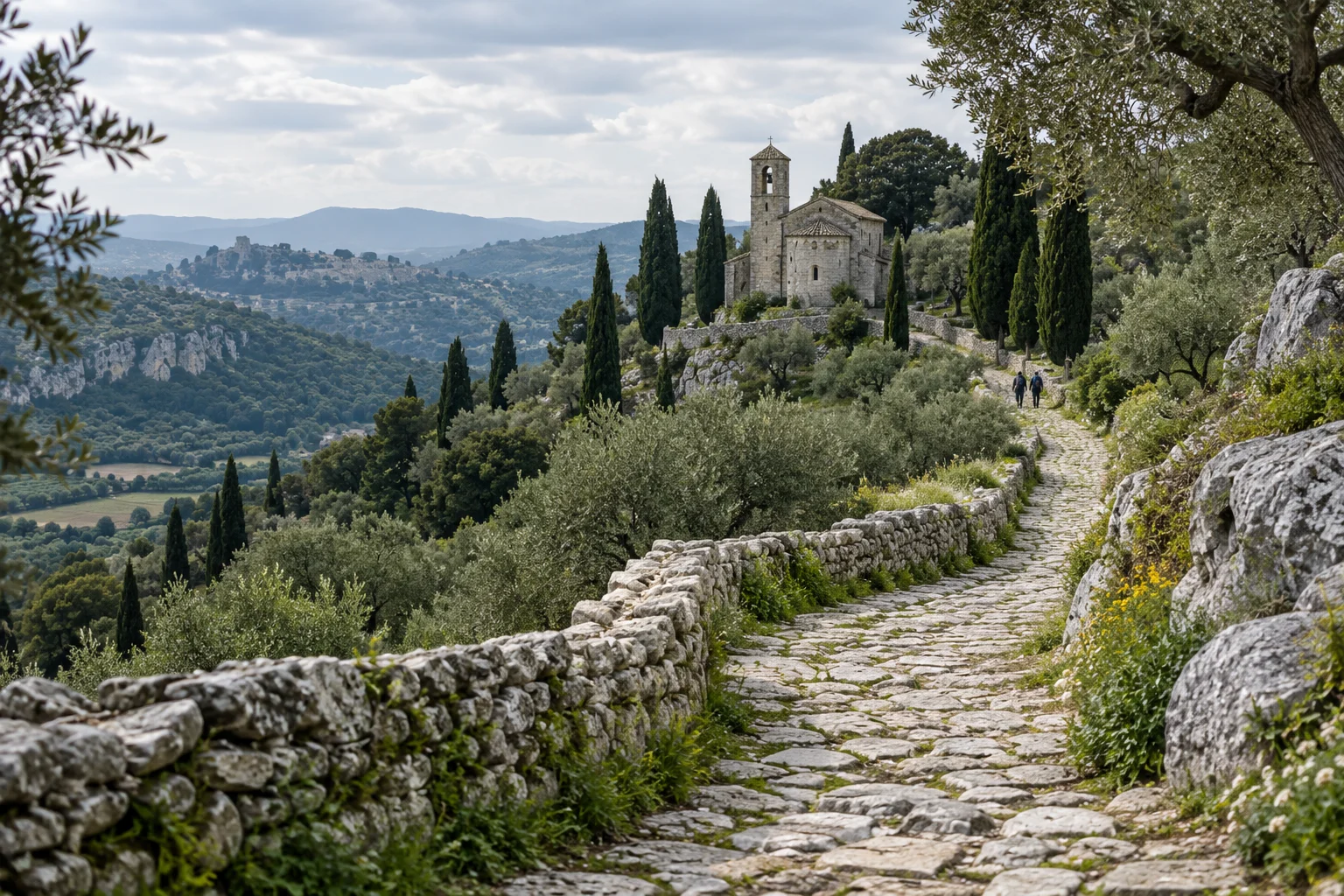
Canon law recognizes the right of all the faithful to promote and sustain apostolic action through their own undertakings (canon 216), and parishes, schools, ministries, and families organize pilgrimages every year. The same canon sets the limit: no undertaking may claim the name Catholic without the consent of the competent Church authority. So speak with the pastor before anything is announced, and with the diocese if the pilgrimage will carry its name.
Three roles stay distinct. The organizer gathers the people. The travel company handles flights, hotels, coaches, guides, and money. The priest is the spiritual director: he celebrates Mass, hears confessions, preaches at the holy places, and sets the rhythm of prayer; he should not be left running logistics, and a guide should not be leading prayer. Before you promote the trip, ask the company for the division of responsibilities in writing: who collects payments, who answers travelers' questions, who arranges the Masses, how many pilgrims are needed for the trip to run, whether the priest's place is complimentary, and whether the organizer receives anything.
Start early; about a year ahead is a comfortable horizon for a group going abroad, since people need time to decide and to pay in stages, and shrines need notice. The Shrine of Fátima, for example, asks groups to register in writing with its pilgrims' service, giving the parish and diocese, the person in charge, the accompanying priest, the dates, the lodging, and the number of pilgrims, and it warns that time slots are hard to find around the 12th and 13th of each month from May to October. A parish too small to fill a group can join with a neighboring parish.